

Ecological Surveys
For Sustainable Development
An ecological survey is a key step in development planning, ensuring that the natural environment is carefully considered and preserved.
An ecological survey assesses the habitats, species, and environmental features of a site. It identifies any ecological constraints, such as protected species or habitats, that could affect your development. The process also highlights opportunities for enhancement, ensuring your project complies with planning regulations and leaves a positive impact on the local environment.
An ecological survey typically involves a site visit, data collection, and analysis to provide a clear understanding of the site’s ecological value. The results are compiled into a detailed report, which includes an assessment of ecological risks and recommendations to mitigate or enhance biodiversity.
Discover our Free Essential Ecological Survey Calendar for Land Purchasers & Developers, designed to help you stay on top of the key timings and requirements for your ecological surveys. This handy resource ensures you’re fully prepared and can plan your development project smoothly, avoiding any delays caused by overlooked ecological assessments.
Types of Ecological Surveys
Preliminary Ecological Appraisal (PEA)
A Preliminary Ecological Appraisal is often the first step in assessing a site’s ecological value. It identifies potential ecological constraints, such as the presence of protected species, and provides recommendations for further surveys or mitigation measures. This initial assessment helps guide your project efficiently through the planning process.
Ecological Impact Assessment (EcIA)
An Ecological Impact Assessment evaluates the potential effects of your project on biodiversity and protected habitats. Our EcIA reports are tailored to your specific development, providing practical advice on minimising impacts and achieving compliance with planning regulations.
Daytime Bat Walkover (DBW) Survey
Previously known as a Preliminary Bat Roost Assessment, the Daytime Bat Walkover (DBW) survey evaluates buildings and trees for potential bat roosts. Bats are a highly protected species in the UK, and any development impacting their habitats must be carefully managed. Our DBW surveys provide essential guidance on how to proceed legally, ensuring your project stays on track while protecting these important species.
Biodiversity Net Gain (BNG) Assessment
Biodiversity Net Gain is an increasingly important part of planning regulations, requiring developments to leave biodiversity in a better state than before. Our BNG assessments provide a thorough evaluation of existing habitats and deliver clear, actionable plans to meet biodiversity targets and enhance the natural environment.
What to Expect from Our Ecology Reports
- A clear description of the site and the survey methodology used.
- Results from habitat and species assessments, highlighting any constraints.
- Practical recommendations for mitigation, compensation, or enhancement measures.
- Guidance on legal compliance and next steps to keep your project moving forward.
Frequently Asked Questions
Do I need an ecology report?
What is a Phase 1 Ecological Survey?
What is a Phase 2 Ecological Survey?
How long is an ecology survey valid for?
What does an ecology consultant do?
What species are protected in the UK?
How much does an ecological survey cost?
What types of Ecology Surveys are there?
About PJC Consultancy
With offices in Kent and Sussex, we provide services across these regions and the wider South East of England. Our local presence allows us to deliver tailored solutions efficiently, ensuring compliance with regional planning regulations and meeting the unique needs of your site. Our experienced ecologists are passionate about finding solutions that benefit both your development and the environment. Whether you need a quick initial appraisal or a detailed biodiversity strategy, we’re here to help.
If you have a project you'd like to discuss, please call us on 01233 225365 / or send us a message.

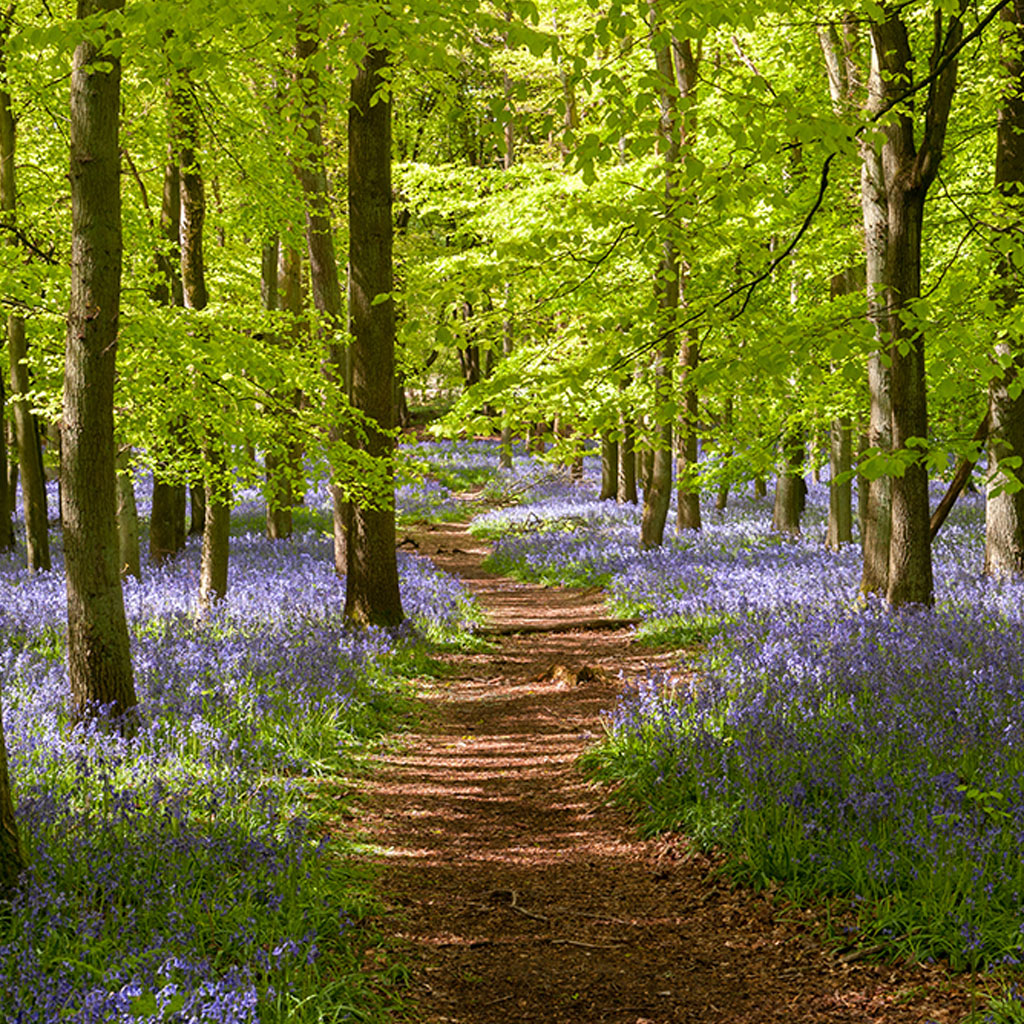
Preliminary Ecological Appraisal
The first stage of an ecological survey is to assess the potential of a site for its ability to support protected species and/or habitats. Includes an Extended Phase 1 Habitat Survey.
Discover More
Biodiversity Net Gain (BNG)
Biodiversity net gain is a now mandatory element of the English planning system.
Discover More
Daytime Bat Walkover Survey
A daytime bat walkover survey (formally known as a preliminary bat roost assessment) is the first step in surveying for Bats.
Discover More
Ecological Impact Assessments (EcIA)
Ecological Impact Assessment (EcIA) is used to predict and evaluate the impact of developments on ecosystems and their components (habitats and species).
Discover More
Protected Species (Phase 2) Surveys
There are several protected species whose presence on a site can have implications for its development. The presence of a protected species can affect a project by creating timing constraints and introducing a requirement for mitigation measures.
Discover More
FREE Essential Ecological Survey Calendar for Land Purchasers & Developers
Our free ecology calendar, incorporating a wildlife calendar, outlines the best times to carry out badger, bat, bird, otter, dormouse, water vole, great crested newt and reptile surveys.
Discover MoreMeet our team of Ecology Consultants
Our ecology consultants are highly qualified, holding degrees or higher in ecology and being members of the Chartered Institute of Ecology and Environmental Management. With extensive experience in ecology, ecological management, and development assessments, we provide expert advice and mitigation strategies for your project. Our in-house team also holds Natural England European Protected Species Licenses and has experience in preparing license applications

Tom Knight
BSc(Hons) MSc MCIEEM
Director of Ecology
Tom Knight
BSc(Hons) MSc MCIEEM
Director of Ecology
Tom joined PJC as a senior ecologist in early 2017 and has worked in professional consultancy for over nine years. His background in Biodiversity and Conservation has provided a firm foundation for the provision of sound advice and ecological input through the pre-planning, planning and implementation stages of all planning applications. Tom has worked for various sized projects throughout the country, including major highways and railway infrastructure projects and both large and small-scale residential development schemes.
Tom has extensive experience in both office and field-based ecology, including undertaking phase 1 habitat surveys and a broad range of specialist protected species surveys. Tom also produces high-quality ecological reports including Preliminary Ecological Appraisals, Preliminary Bat Roost Assessments, Protected Species Mitigation Strategies, BREEAM, Ecological Impact Assessments and more recently Biodiversity Net Gain / Impact Assessment using the DEFRA Biodiversity Metric 3.0. More recently, Tom has gained experience in advising on a variety of habitat creation, restoration and long-term management initiatives. Tom holds Natural England Class 1 survey licenses for great crested newts, bats and beavers. Tom also holds a sentinel card and is qualified to work on the railway.
Key personal attributes – Adaptable, Focused, Dependable
Find me on LinkedIn
Nicolle Stevens
BSc(Hons) ACIEEM
Senior Ecologist & Technical Specialist (Bats)
Nicolle Stevens
BSc(Hons) ACIEEM
Senior Ecologist & Technical Specialist (Bats)
Whilst studying Wildlife Conservation at the University of Kent, Nicolle joined the PJC team as a field ecologist in 2017. Nicolle provides ecological input and advice to all stages of the planning process and manages a variety of residential, commercial and infrastructure projects (including both rail and highway) across the south-east. Nicolle has experience in both office and field-based ecology, handling and analysing data and producing a range of technical reports including Preliminary Ecological Appraisals, Preliminary Bat Roost Assessments, Ecological Impact Assessments and Biodiversity Net Gain Assessments. Nicolle leads on a range of protected species surveys for bats, dormice, great crested newts, reptiles, badgers and water voles and produces mitigation and compensation strategies for a range of protected and notable species, habitat mitigation strategies and enhancement and management plans.
Nicolle holds a Natural England class two bat licence and has extensive knowledge and experience with bats and development. She also holds a Natural England class one licence for great crested newts and is experienced in Natural England District Level Licence (DLL) and NatureSpace Partnership licence applications for the species.
Key personal attributes – Resourceful, Driven, Approachable
Find me on LinkedIn
Naomi Cornwell
BSc(Hons) MSc
Ecologist
Naomi Cornwell
BSc(Hons) MSc
Ecologist
After a year working as a B.U.G.S keeper for ZSL London Zoo, Naomi went back to university to study Animal Conservation and Biodiversity at Greenwich University as a mature student. This led to a work placement with the Bat Conservation Trust, and two seasons experience as a field assistant and ecological surveyor with a Kent based consultancy. She joined the team at PJC in early 2022 after graduating with an MSc in Oceanography (Biological and Ecological pathway) from the University of Southampton and has experience producing technical reports including Preliminary Ecological Appraisals, Preliminary Bat Roost Assessments, Biodiversity Net Gain Assessments, and now has experience working on both large and small-scale residential development schemes.
Naomi is a hobbyist scuba diver, holding a PADI Dive Master qualification, and has a wealth of marine surveying and data-collection experience for international marine conservation organisations.
Key personal attributes – Personable, Motivated, Passionate
Find me on LinkedIn